Aerial Work Platform Hire in Bremerhaven – Rental Fleet for Port & Industry
Bremerhaven demands reliability from aerial work platforms under extreme conditions. Port operations, shipyards and logistics centres are no playground – here you need machines that don't just work, but hold up. If you're planning work at height in Bremerhaven, you need a partner who understands the demands of port logistics: sturdy equipment, secure delivery routes and technical expertise that goes beyond a catalogue PDF.
Luibl hires out aerial work platforms built for port and industrial sites. With a fleet reaching working heights of up to 58 metres and our own low-loader fleet, we deliver on a fixed date – with no detours through broker networks. Every machine undergoes a UVV inspection before delivery and complies with applicable safety standards such as DGUV Rule 100-500 and DIN EN 280.
Precisely Matched Lifts for Maritime and Industrial Requirements
Ports are very different from inland construction sites. Level ground is a luxury. Salt air attacks steel structures. Coastal wind loads call for equipment with stable outriggers. That's why we offer specialised types of aerial work platforms for Bremerhaven.
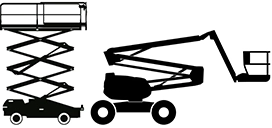
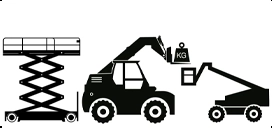
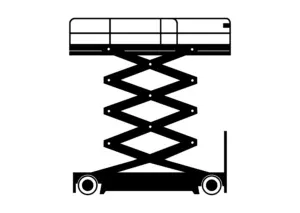
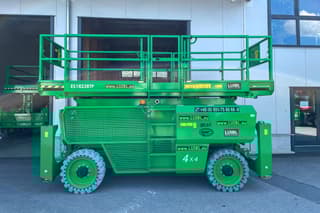
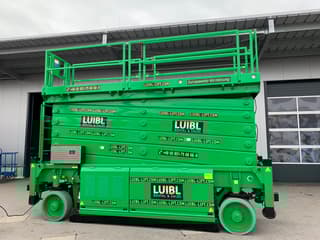
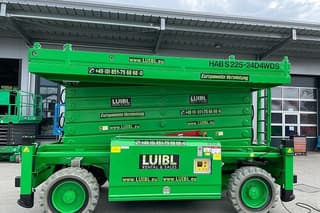
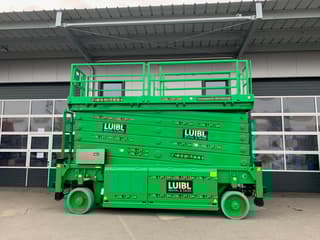
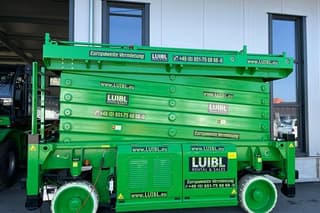
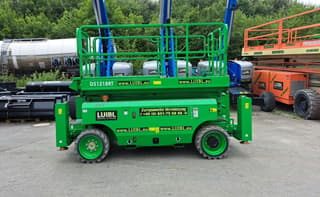
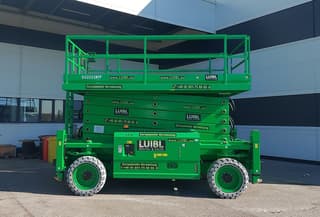
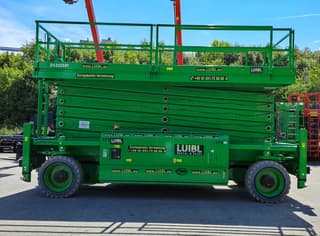
Scissor lifts – compact and precise for tight port locations
Scissor lifts are the first choice when precision in confined conditions is what matters. The electrically driven models operate with zero emissions – ideal for enclosed halls and ship holds, where diesel exhaust becomes a problem. Diesel scissor lifts open up rough terrain and keep working at temperatures where electric units struggle.
Technical parameters for port use:
-
Working height: up to 34 metres
-
Platform capacity: up to 1,000 kg (critical for carrying tools)
-
Outrigger width: compact for narrow quayside areas
-
Ground bearing pressure: calculable for surfaced areas
-
Zero rear overhang: important when working with rear support against buildings
A scissor lift's stability depends directly on its outrigger width. In irregularly laid-out facilities or next to existing structures, the outer outriggers play a decisive role. We check on site whether the terrain topography and wind speed require a reduction in stability rating.
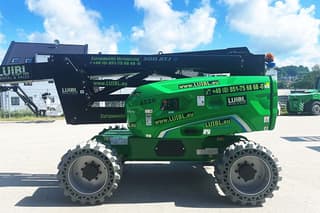
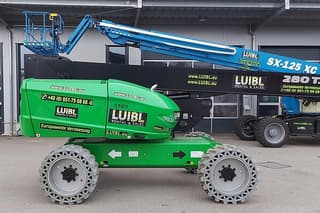
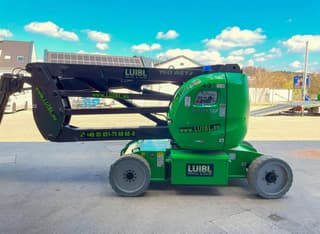
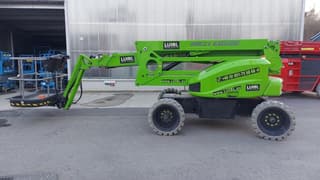
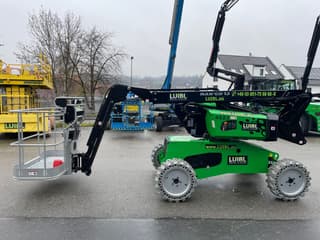
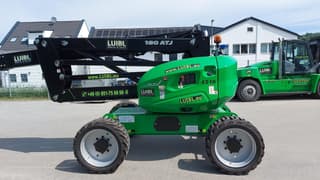
Boom lifts – reach for open work positions
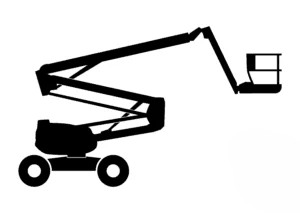
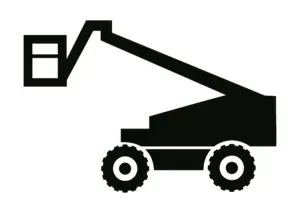
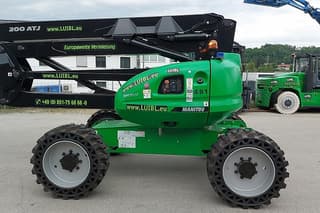
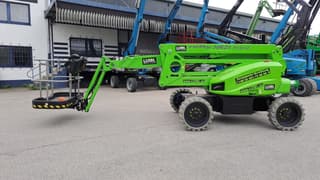
Boom lifts overcome obstacles. They reach positions where scissor lifts don't fit: over fences, stacked storage and port infrastructure. The articulating jib allows horizontal outreach of up to 20 metres – essential in large-scale logistics centres.
Specifications for port operations:
-
Working height: up to 58 metres (articulated boom lifts)
-
Horizontal outreach: up to 25 metres (articulated versions)
-
Platform capacity: up to 500 kg
-
Fall-arrest PPE: standard equipment in accordance with DIN EN 280
-
Non-marking tyres: optional for sensitive surfaces (white tyres for hall floors)
The outreach height is often underestimated. When equipment has to work over moving forklifts or vehicles, a vertical safety clearance of at least 2.5 metres applies. This corresponds to DGUV Rule 100-500 and is non-negotiable.
Tracked lifts – stability on rough terrain
Shipyard sites are not asphalted. Tracked lifts with a gradeability of over 50% work on gravel, wet surfaces and uneven terrain where tyred machines get stuck.
Features for coastal use:
-
Gradeability: over 50% (track drive)
-
Ground bearing pressure: low, suited to marshland and port sediment
-
All-wheel steering: for precise positioning in tight zones
-
Low self-weight: reduces sinking on soft ground
The tracks protect the terrain and guarantee a constant working height, even where the ground is uneven. This stability is essential when maintaining ship hulls (outer hull surfaces) – fluctuations during work compromise safety.
Truck-mounted platforms and mast lifts
Truck-mounted platforms (mounted as a mobile boom) offer maximum mobility. They can operate wherever the truck can park – with no separate positioning required. For fixed assembly points in warehouses, we recommend mast lifts with an electric hoist mechanism.
Technical Superiority: Why Luibl Makes the Difference in Bremerhaven
Many hire companies are just network brokers. They don't own their own equipment and act as intermediaries between rental platforms and end customers. That costs you time and makes logistics problems worse.
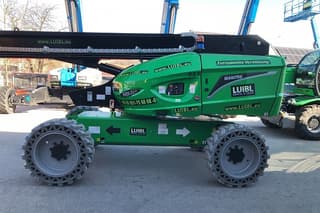
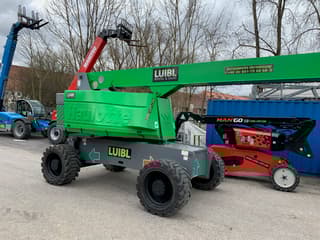
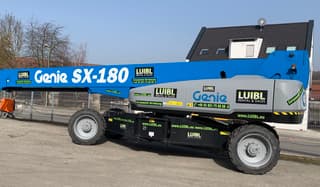
Luibl owns its own, well-maintained fleet with equipment from leading manufacturers such as Manitou, JLG and Genie. That means:
No detours in machine selection: We know exactly which platform suits your project. No standard offers pulled from a network.
Maintenance and safety: Every machine undergoes a UVV inspection before delivery. That's not a legal minimum for us – it's our standard. Inspection documentation is provided, so there are no surprises on site.
Technical advice: Our team calculates wind loads, ground bearing pressure and outrigger width. If the shipyard has questions about permits or safety clearances, we help coordinate with port operators.
Central lubrication system and longevity: Modern platforms have central lubrication systems that reduce wear and minimise downtime – important for continuous deployment in harsh port conditions.
Efficient Logistics: Our Own Low-Loaders Instead of a Haulier Pool
Ports work to tight time windows. A missed slot costs money. Many hire companies rely on external hauliers – meaning waiting times, lack of control and stress.
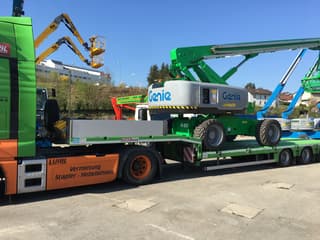
Luibl runs its own low-loader fleet. That means:
-
Reliable schedules: we coordinate directly, not through third parties.
-
Flexible routes: from Passau to the greater Bremen/Bremerhaven area – optimised, not standardised.
-
On-site setup and take-down: technicians accompany the delivery, not just a driver.
-
Liability stays with us: no passing responsibility on to haulage partners.
For large projects with multiple platforms (for example along a 300-metre shipyard section), we put together combined quotes – transparent pricing covering several machines and transport costs.
Safety and Compliance: The Non-Negotiable Standards
Port work is subject to stricter regulations than standard construction-site hire.
DGUV Rule 100-500 (aerial work platforms): safety clearances, inspection intervals, operator qualification. The rule runs to 25 pages – we know it by heart.
DIN EN 280 (design and stability): defines how platforms are tested and certified. Our equipment meets this standard.
IPAF/PAL Card (operator competence): anyone working at height needs training. Luibl puts you in touch with partners who deliver IPAF-certified training – on site in Bremerhaven or via online modules.
Fall-arrest PPE: every aerial work platform is fitted with anchor points. Personal protective equipment is mandatory; we provide the anchor points and information, and the operator is responsible for the rest.
Frequently Asked Questions About Aerial Work Platforms in Bremerhaven

Do I need a permit for transport through the port?
Can the platform be used in a covered ship hall?
What costs are involved for the statutory safety inspection and insurance?
How do I contact Luibl with an enquiry for Bremerhaven?
How do I check whether the platform can stand safely on my shipyard site?
Next Steps
Bremerhaven is not a standard market. You need a hire company with experience of port operations, its own equipment and real technical depth. Luibl delivers that.
Check availability for your project period – get in touch now:
Visit https://www.luibl.eu/kontakt/ and let us know:
-
Which type of equipment (scissor lift, boom lift, tracked lift)?
-
Working height and reach?
-
Period (start and end date)?
-
Ground conditions?
We put together quotes quickly and reliably. Your safety and our reputation are on the line – which is why we take compliance seriously.
Request Technical Data Sheets
Would you like detailed technical specifications for a particular type of equipment? Get in touch – we'll put together data sheets covering working height, load capacities, wind load limits and outrigger widths for you.